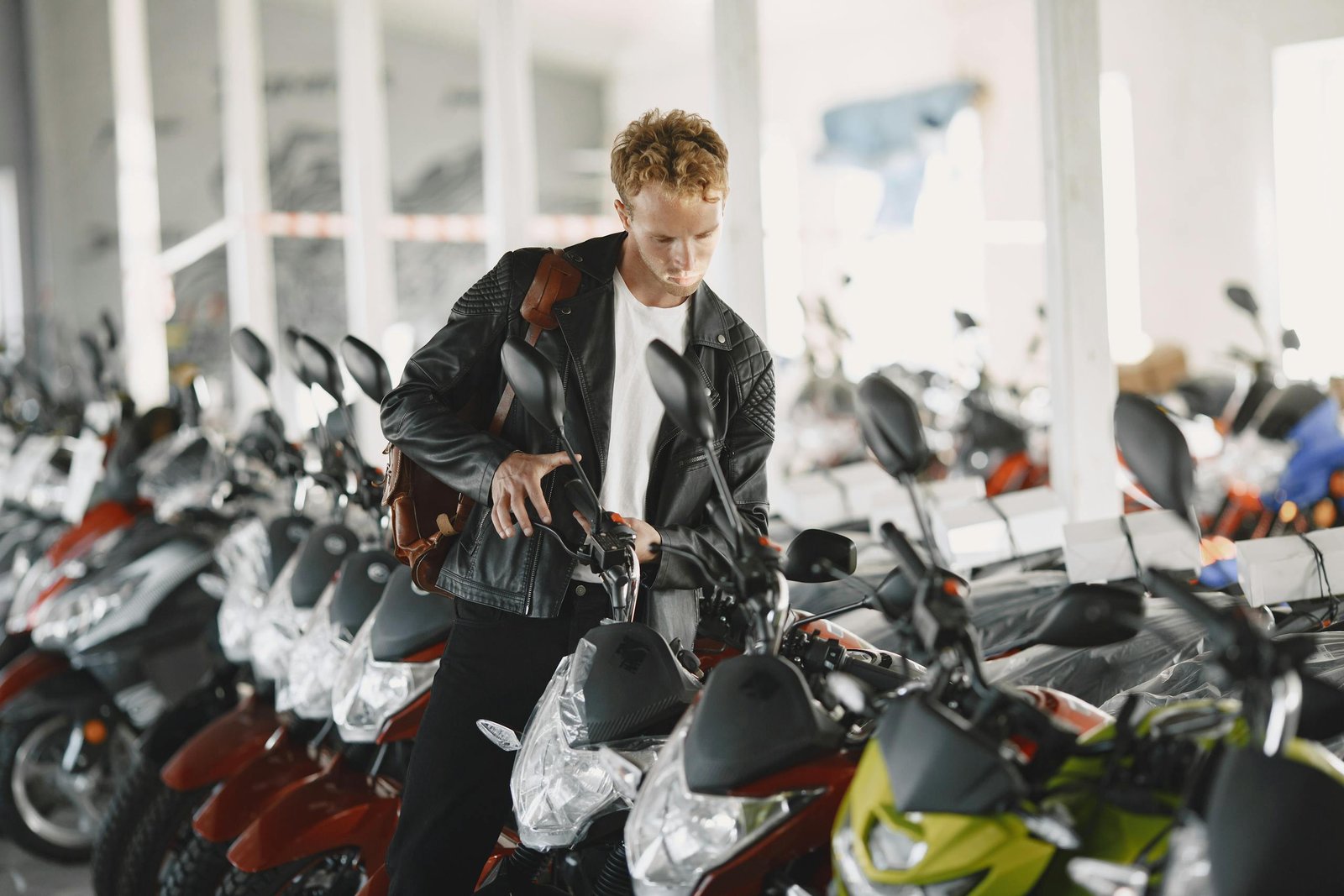
How to Choose Your First Motorcycle
Choosing your first motorcycle is an exciting milestone, but it can also feel overwhelming. With so many styles, engine sizes and features available, you may not know where to start. The good news? You can make a smart, confident decision by focusing on a few key factors. This beginner-friendly guide breaks down exactly how to choose your first motorcycle.
1. Know Your Riding Goals
Before you visit a dealership or start browsing online, think about how you plan to use your motorcycle. Will you ride daily to work? Cruise on weekends? Explore off-road trails?
Different types of motorcycles serve different purposes:
- Commuting: Look for a lightweight standard or scooter.
- Weekend cruising: A cruiser offers comfort and style.
- Long-distance travel: Touring bikes come equipped with storage and wind protection.
- Sporty fun: A sport bike provides speed and agility.
- Adventure riding: Dual-sport or adventure bikes handle both on-road and off-road terrain.
When you match your motorcycle to your lifestyle, you enjoy a safer and more satisfying riding experience.
2. Choose the Right Engine Size
Engine size, measured in cc, (cubic centimetres) directly affects power, speed and handling. As a beginner, you’ll want a bike that offers control without overwhelming you.
Here’s a general breakdown:
- 250cc–400cc: Great for beginners. Lightweight and easy to handle.
- 500cc–750cc: Suitable for confident new riders ready for more power.
- 800cc+: Best for experienced riders due to higher weight and speed.
Start small. You can always upgrade later as your skills improve.
3. Focus on Comfort and Fit
Your first motorcycle should feel like an extension of your body. When you sit on the bike:
- Your feet should touch the ground flat.
- You should comfortably reach the handlebars and controls.
- The bike shouldn’t feel too heavy to push or balance.
Test ride a few models to see what feels right. Prioritise comfort and control over appearance or horsepower.
4. Consider Safety and Features
Beginner-friendly bikes often include safety features like:
- ABS (Anti-lock Braking System): Helps prevent skidding during sudden stops.
- Slipper clutch: Makes shifting smoother.
- Low seat height: Makes it easier to balance when stopped.
New riders benefit from modern features that increase confidence and reduce risk.
5. Set a Realistic Budget
First-time riders often overlook additional costs beyond the motorcycle itself. In your budget, include:
- Helmet, jacket, gloves and boots
- Insurance and registration fees
- Basic maintenance and fuel
Don’t stretch your finances too thin. A reliable used bike is often a better value for beginners than a brand-new model.